
Comparative Analysis: InsiTech Platforms vs Existing Competitor Stacks
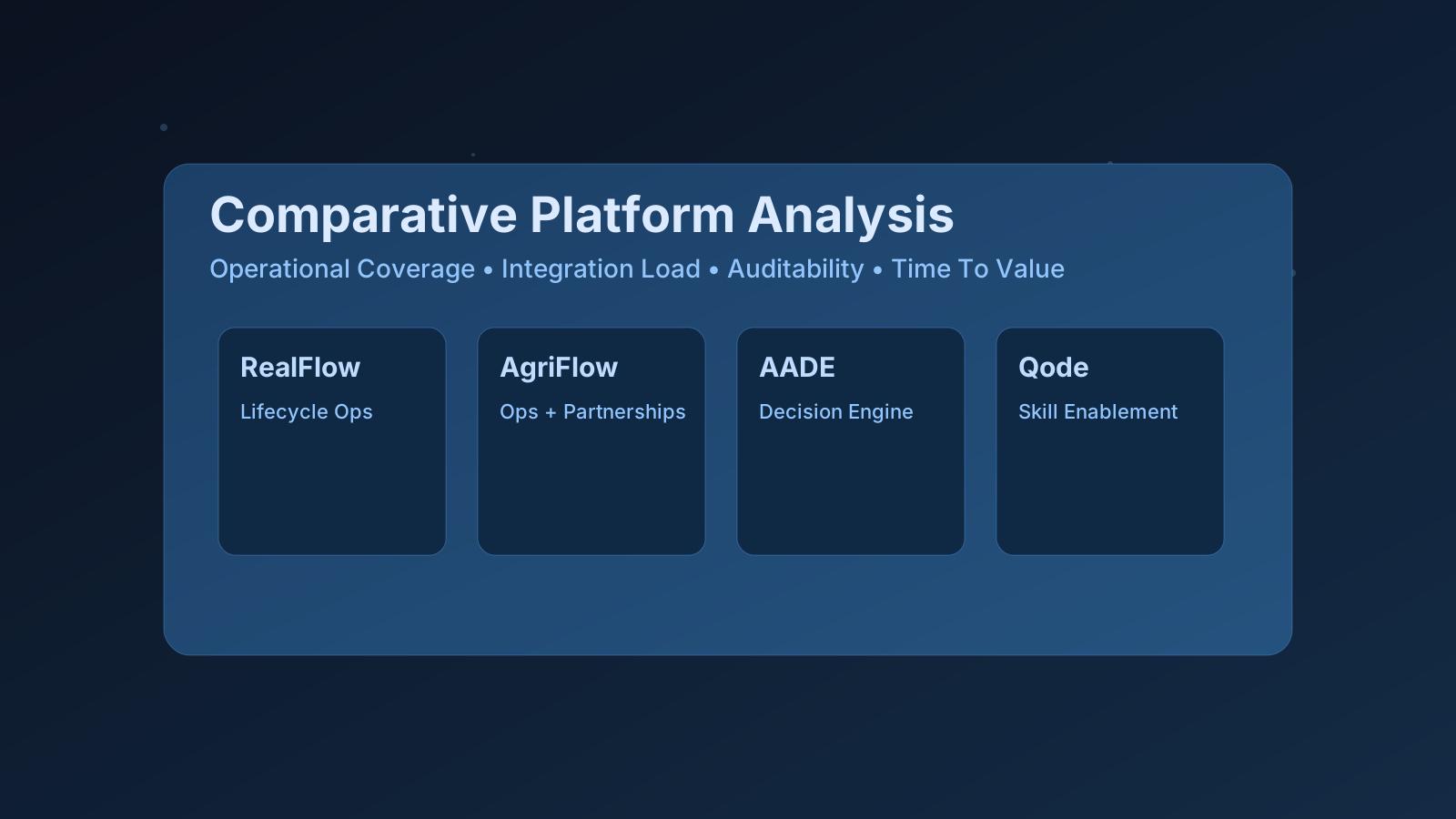
Most software decisions fail because teams compare feature lists, not operational outcomes. This analysis uses a structured framework to compare InsiTech platforms against common competitor categories used by operators in real estate, agriculture, analytics, and workforce enablement.
Research Scope And Method
This comparison evaluates each platform against common alternatives in active procurement cycles:
- Single-function tools (strong in one workflow, weak cross-function)
- Multi-vendor stacks (best-of-breed but integration-heavy)
- Generic BI + custom pipelines (flexible but high implementation cost)
- General LMS platforms (broad but weak role-specific technical depth)
Evaluation dimensions:
- Workflow coverage
- Integration complexity
- Operational visibility
- Auditability and controls
- Speed to measurable value
RealFlow Homes vs Fragmented PropTech Stacks
Observed competitor pattern:
- Leasing, maintenance, financial reporting, and investor updates handled in separate systems
- Manual reconciliation across exports, spreadsheets, and email approvals
- Slower response to occupancy, maintenance, and compliance risks
RealFlow Homes coverage:
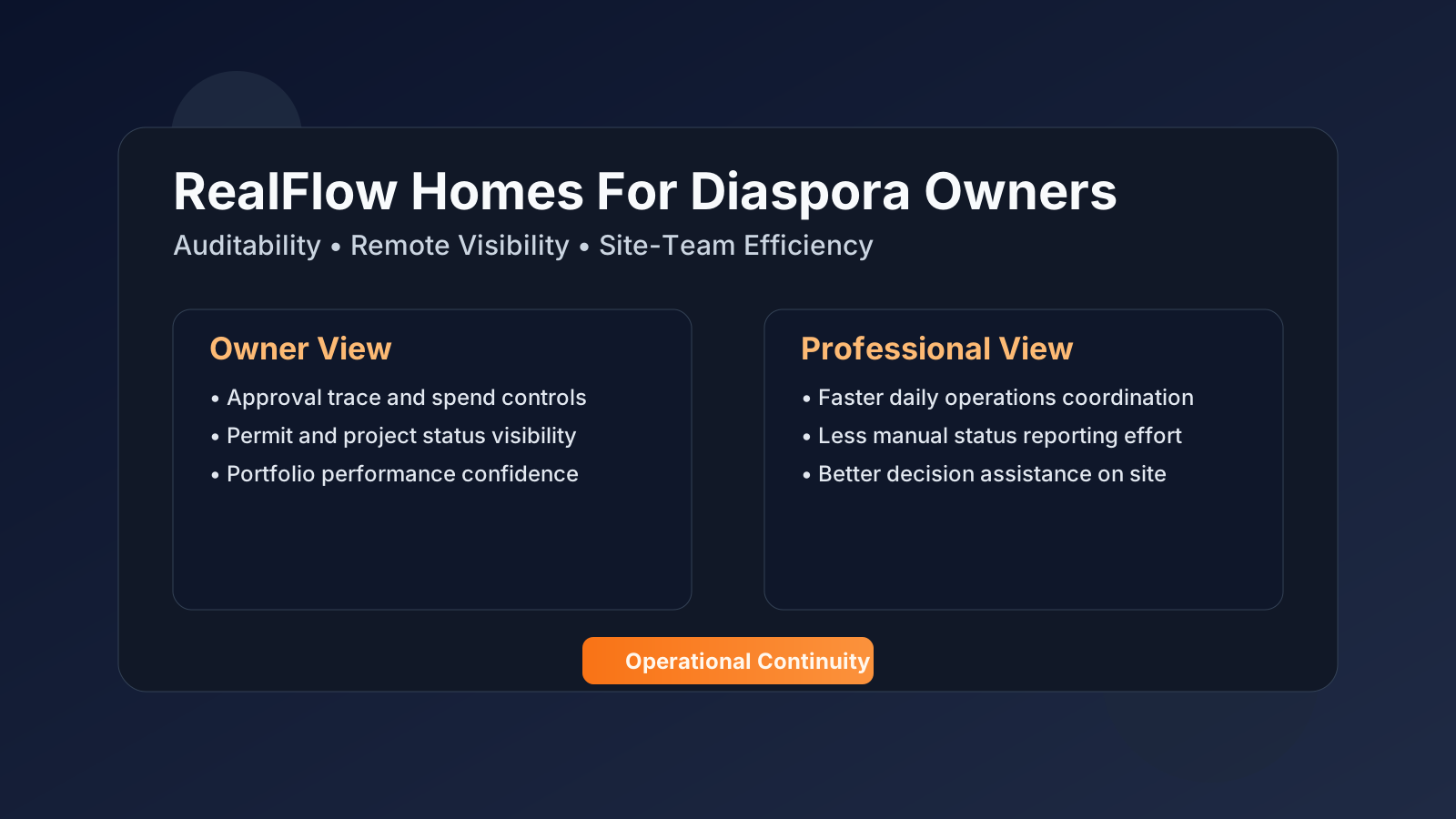
- Unified operations across property lifecycle activities
- Tenant and maintenance workflows with fewer handoff gaps
- Built-in analytics alignment with Assistant Analyst integration paths
TradeFlow Market vs Marketplace-Only Agriculture Platforms
Observed competitor pattern:
- Product listing and transaction support, but weak partner governance
- Limited settlement, agreement, and audit workflows
- Analytics added later through separate BI tools
TradeFlow Market coverage:
- Multi-tenant partner operations
- Profit-sharing governance workflows
- End-to-end operational tracking from catalog to settlement
- AADE analytics integration endpoints for deeper decision support
Assistant Analyst vs Dashboard-First BI Tools
Observed competitor pattern:
- Strong dashboards, but high dependence on analyst-prepared datasets
- Repeated manual cleaning and transformation cycles
- Insights arrive late for operating teams
Assistant Analyst coverage:
- Structured ingestion and processing pipelines
- Quality and context layers before insight generation
- Output pathways designed for operational decision cycles
Qode Clarity vs Generic Learning Platforms
Observed competitor pattern:
- Broad course marketplaces with low role-specific skill progression
- Weak links between learning and real delivery workflows
Qode Clarity coverage:
- Focused technical upskilling paths
- Measurable learning progress tied to capability development
- Better readiness for teams operating analytics-heavy systems
Findings Summary
Key finding across all four platforms: the strongest advantage is cross-workflow continuity. Teams reduce handoff failures when operations, analytics, and governance are designed to work together from the start.
Decision Guidance
Choose InsiTech stack patterns when your top priority is:
- End-to-end accountability, not isolated tool optimization
- Faster execution cycles across distributed teams
- Stronger audit trails and operational traceability
- Lower integration drag over 12-24 month horizons
Final Takeaway
The deciding factor is not feature breadth alone. It is how quickly a platform closes the gap between data, decisions, and execution. InsiTech platforms are strongest where that gap is currently expensive.
Explore InsiTech Platforms
Bring these ideas to life
Platform
RealFlow Homes
Property verification, delivery, finance, and team coordination
- Land and title verification
- Construction, procurement, and inventory coordination
- Finance, approvals, contracts, and reporting
Platform
TradeFlow Market
Sales, operations, and partner visibility for food businesses
- Tenant storefronts and product listings
- Sales, purchases, expenses, and settlements
- Project-cycle partnerships and settlement tracking
Platform
Assistant Analyst Data Engine
Data pipelines, reporting, and decision-ready business insight
- Data pipelines from ingestion to reporting
- Quality checks and anomaly detection
- Reports, insights, and recommendation outputs
Platform
Qode Clarity
Learn and master algorithms
- Algorithm Challenges
- Interactive Lessons
- Progress Tracking