
#SME Analytics#AADE#Assistant Analyst#Decision Intelligence#Data Quality
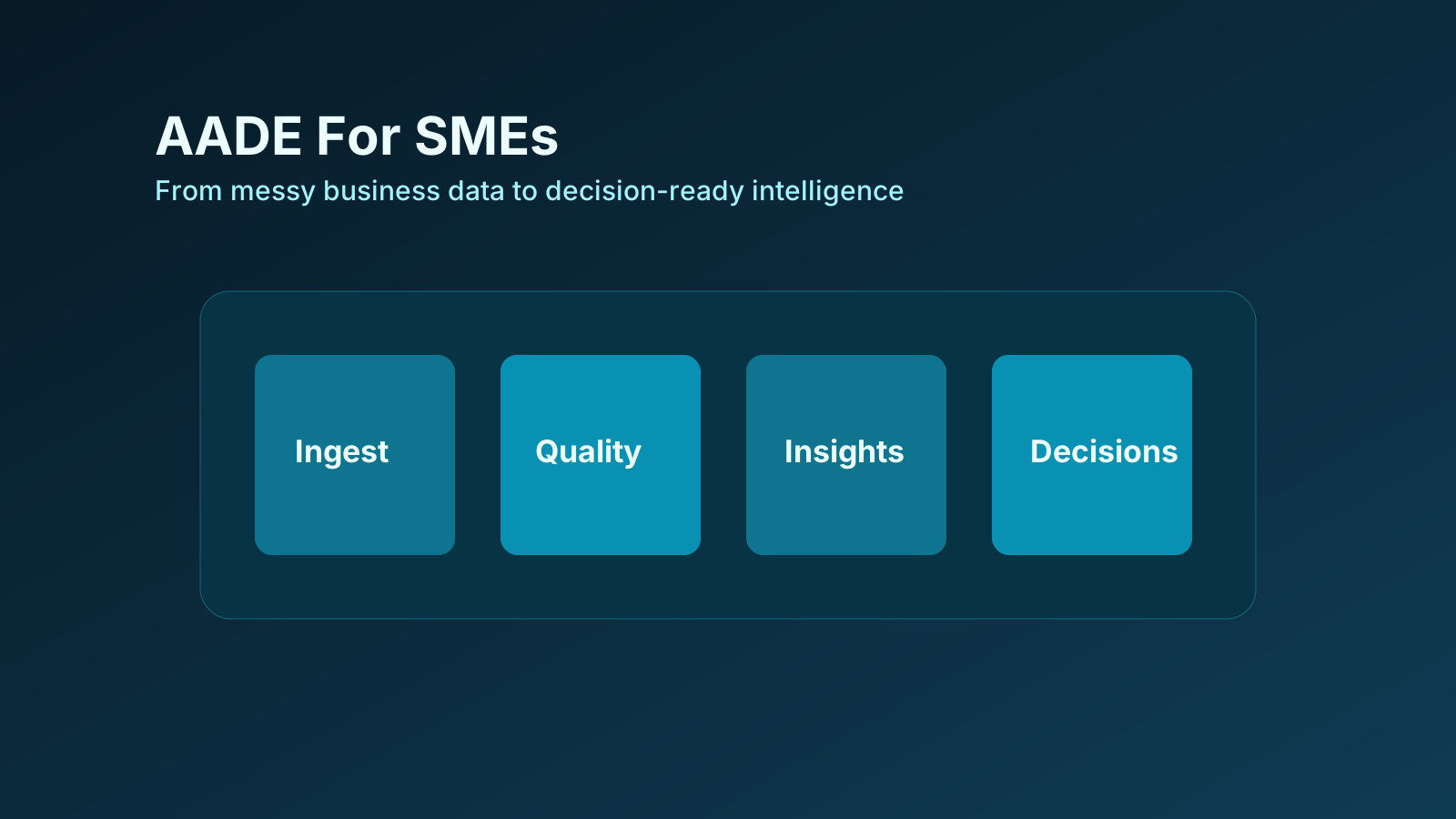
AADE for SMEs: A Fact-Based Case for Best-Fit Decision Intelligence
SMEs do not fail on analytics because they lack dashboards. They fail because operating data is messy, fragmented, and processed too late for action.
Assistant Analyst Data Engine (AADE) is a strong fit for SMEs when they need structured analytics outcomes without hiring a full internal analytics function.
Core SME Problem Set
Recurring constraints:
- Small teams with limited analyst bandwidth
- Inconsistent source data quality
- Repetitive manual data cleaning cycles
- Long time between data collection and decision
- Weak confidence in forecasting and risk signals
AADE Capability Map: Constraint -> Engine Component
1) Ingestion Instability -> API + Orchestration Layer
- Constraint: data arrives in mixed formats and ad hoc structures
- AADE Component: ingestion endpoints plus orchestration workflow
- Effect: more repeatable intake across CSV/JSON/Excel sources
2) Quality Drift -> Bronze/Silver/Gold Processing
- Constraint: poor quality data distorts reporting and confidence
- AADE Component: medallion flow with quality profiling and transformation history
- Effect: cleaner downstream analytics and fewer decision errors
3) Context Blindness -> Domain/Context Analysis
- Constraint: generic dashboards ignore sector-specific meaning
- AADE Component: context analyzers and domain detection
- Effect: analysis aligns better to business operating reality
4) Reporting Delays -> Insight + Report Services
- Constraint: insights produced too late for operational cycles
- AADE Component: automated insight generation + JSON/HTML/PDF reporting
- Effect: faster distribution of decision material to managers and operators
5) Static Models -> Learning Hub
- Constraint: decision logic does not improve over time
- AADE Component: learning engine and pattern adaptation
- Effect: progressively better recommendations from recurring decisions
Why This Is Best-Fit For SMEs
AADE is best-fit when SMEs need:
- Structured analytics without building a heavy internal data platform
- Practical outputs consumed by non-technical teams
- A path from basic reporting to adaptive decision support
Practical Adoption Model
Recommended sequence:
- Phase 1: ingestion + quality baseline
- Phase 2: recurring insight/report workflows
- Phase 3: learning-assisted decisions for high-impact processes
Final Takeaway
For SMEs, the winning analytics tool is not the one with the most chart types. It is the one that reliably improves weekly decision quality with minimal operational drag. AADE is built for that exact operating context.
Explore InsiTech Platforms
Bring these ideas to life
Platform
Assistant Analyst Data Engine
Data pipelines, reporting, and decision-ready business insight
- Data pipelines from ingestion to reporting
- Quality checks and anomaly detection
- Reports, insights, and recommendation outputs